
Treat a Condition
We can treat a wide range of conditions – either free through the NHS Common Ailment Service or with prescription-only medicines via our private prescribing services
Acne
Free NHSWhat is Acne?
Acne is a common skin condition that occurs when hair follicles become clogged with oil and dead skin cells. It often causes spots, blackheads, or whiteheads, and can appear on the face, chest, back, or shoulders. While acne is most common during puberty due to hormonal changes, it can affect people of all ages.
The severity of acne varies from person to person — some may experience only occasional breakouts, while others can develop more persistent and painful spots or cysts. Although it is not usually harmful, acne can sometimes leave scars and may affect self-confidence.

Athlete’s Foot
Free NHSWhat is Athlete’s Foot?
Athlete’s foot (tinea pedis) is a common fungal skin infection that usually develops between the toes but can also spread to the soles and sides of the feet. It thrives in warm, moist conditions, which makes it common in people who wear tight footwear, exercise regularly, or spend time in shared spaces like swimming pools, gyms, and changing rooms.
The infection can cause itching, burning, stinging, cracked or peeling skin, and sometimes painful blisters. In more stubborn cases, it can spread to the toenails, leading to thickened, brittle, or discoloured nails that are harder to treat. Athlete’s foot can also be passed to others through direct skin contact or contaminated surfaces, making prompt treatment important to prevent spread.

Backache
Free NHSWhat is Backache?
Backache is one of the most common causes of pain among adults, with most people experiencing it at some point in their lives. It is usually caused by muscle strain, poor posture, heavy lifting, or long periods of sitting or standing. The pain may be dull and aching, sharp and stabbing, or cause stiffness and limited mobility.
Most cases of backache are not serious and improve within a few weeks, but ongoing pain can affect daily activities, work performance, exercise, and sleep quality. In rare cases, back pain may signal an underlying condition, so proper assessment is important.

Chickenpox
Free NHSWhat is Chickenpox?
Chickenpox is a highly contagious viral infection caused by the varicella-zoster virus. It most commonly affects children, although adults can catch it too — often with more severe symptoms. It typically starts with fever, tiredness, and irritability, followed by an itchy red rash that turns into fluid-filled blisters before scabbing over.
Most cases are mild, but chickenpox can cause complications in newborns, pregnant women, or those with weakened immune systems. Once infected, people usually develop lifelong immunity, although the virus can remain dormant and reactivate later as shingles.
Conjunctivitis
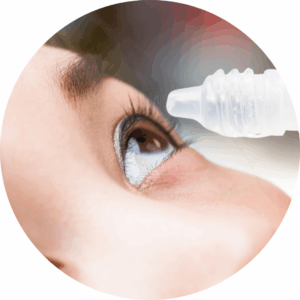
Free NHSWhat is Conjunctivitis?
Conjunctivitis, often called pink eye, is an inflammation of the conjunctiva — the clear membrane covering the white of the eye and the inside of the eyelids. It can be caused by bacteria, viruses, allergies, or irritants like smoke, dust, or chemicals.
Symptoms include redness, watery or itchy eyes, a gritty feeling, and discharge that may form a sticky crust overnight. Bacterial conjunctivitis may produce thick yellow or green discharge, while viral conjunctivitis is often watery. Allergic conjunctivitis is usually accompanied by sneezing and nasal congestion. While most cases are mild, conjunctivitis is highly contagious if infectious, and proper care is needed to avoid spreading it to others.
Constipation
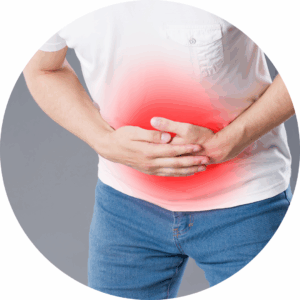
Free NHSWhat is Constipation?
Constipation occurs when you have infrequent, hard, or difficult-to-pass stools. It can cause bloating, abdominal discomfort, and straining when using the toilet. Common causes include a low-fibre diet, dehydration, lack of exercise, certain medications, or ignoring the urge to go.
While often temporary, constipation can affect comfort and quality of life. Persistent constipation may lead to complications such as haemorrhoids or anal fissures, making early management important.
Cold Sores
Free NHSWhat are Cold Sores?
Cold sores are small fluid-filled blisters caused by the herpes simplex virus (HSV-1), most often appearing around the lips or mouth. They usually begin with a tingling, itching, or burning sensation, followed by the appearance of blisters that burst, scab, and heal over within 7 to 10 days. Cold sores are very common, with most people carrying the virus even if they don’t experience frequent outbreaks.
Cold sores are highly contagious, particularly during the blister stage, and can spread through close personal contact, kissing, or sharing items like cups, cutlery, and lip balm. Once a person has the virus, it remains dormant in the body and can reactivate at any time. Triggers include stress, fatigue, illness, hormonal changes, or sun exposure. Although not dangerous, they can cause pain, embarrassment, and in some cases complications, especially for those with weakened immune systems.

Colic
Free NHSWhat is Colic?
Colic is when a baby cries excessively without an obvious cause, often for more than 3 hours a day, at least 3 days a week, for several weeks. It usually begins within the first few weeks of life and improves by 4 to 6 months of age.
Babies with colic may clench their fists, arch their back, and have difficulty settling, which can cause stress and exhaustion for parents. Although colic is not harmful and does not affect a baby’s growth, it can significantly affect family wellbeing.

Dermatitis
Free NHSWhat is Dermatitis?
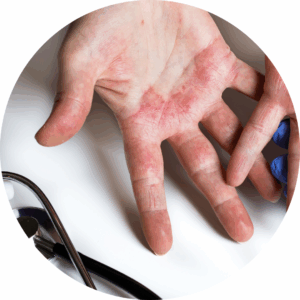
Dermatitis is inflammation of the skin, causing redness, dryness, itching, and sometimes cracked or blistered patches. It includes conditions like eczema and contact dermatitis, which may flare up in response to irritants (such as soaps, detergents, or chemicals), allergens, or even cold weather.
Dermatitis can affect people of all ages and may impact quality of life by making the skin sore, visible, or uncomfortable. It is not contagious, but flare-ups can be frustrating and may return if triggers aren’t managed.
Diarrhoea
Free NHSWhat is Diarrhoea?
Diarrhoea is when you pass loose, watery stools more often than usual. It is usually short-term and caused by infections, food poisoning, stress, or medication side effects. Symptoms may include stomach cramps, bloating, nausea, fever, and dehydration if fluid loss is significant.
While most cases clear up within a few days, diarrhoea can be unpleasant, tiring, and sometimes serious if it persists, particularly for children, older adults, or those with other health conditions.

Dry Eye
Free NHSWhat is Dry Eye?
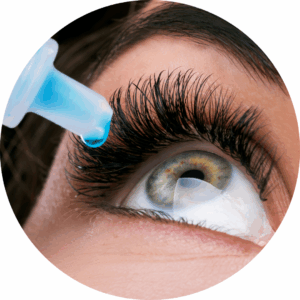
Dry eye occurs when the eyes do not produce enough tears, or the tears evaporate too quickly. Tears are essential for keeping the eyes moist, comfortable, and free of dust and debris. When the tear film is disrupted, it can cause redness, irritation, blurred vision, a burning or gritty feeling, or sensitivity to light.
Dry eye is often linked to ageing, contact lens use, certain medications, medical conditions, or environmental factors such as air conditioning, heating, or prolonged screen use. While not usually serious, untreated dry eye can make daily activities such as driving, reading, or working on a computer uncomfortable.
Earwax Build-up
Free NHSWhat is Earwax Build-up?
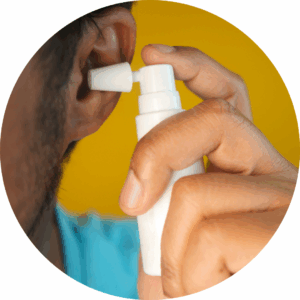
Earwax is a natural substance that protects the ear canal by trapping dust, debris, and bacteria. However, sometimes too much earwax builds up, leading to blockages, discomfort, hearing difficulties, tinnitus, dizziness, or even earache.
Earwax build-up can occur due to overproduction of wax, using cotton buds, wearing hearing aids, or naturally narrow ear canals. While usually harmless, untreated blockages can interfere with hearing and daily communication.
Haemorrhoids (Piles)
Free NHSWhat are Haemorrhoids?
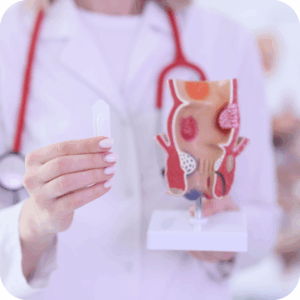
Haemorrhoids, or piles, are swollen blood vessels located in or around the anus and rectum. They are very common and can develop internally (inside the rectum) or externally (under the skin around the anus). Symptoms include itching, pain, swelling, discomfort during bowel movements, and bright red bleeding on toilet paper or in the toilet bowl.
Haemorrhoids often occur due to straining during bowel movements, chronic constipation, pregnancy, prolonged sitting, or being overweight. While usually not serious, they can affect day-to-day comfort and may worsen without lifestyle adjustments. In some cases, untreated haemorrhoids can cause complications like persistent bleeding or blood clots.
Hay Fever
Free NHSWhat is Hay Fever?
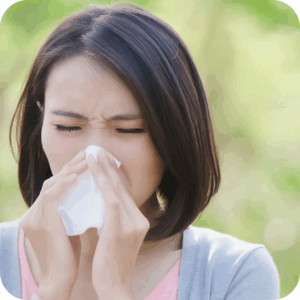
Hay fever, or seasonal allergic rhinitis, is an allergic reaction to pollen from grass, trees, or weeds. It typically flares up during spring and summer, when pollen levels are high. Symptoms can include sneezing, a runny or blocked nose, itchy or watery eyes, an itchy throat, fatigue, and headaches.
Although hay fever is not harmful, it can have a significant impact on sleep, focus, productivity, and overall quality of life. Symptoms often worsen when pollen counts are at their peak and can be particularly troublesome for children, students, or anyone working outdoors.
Head Lice
Free NHSWhat are Head Lice?
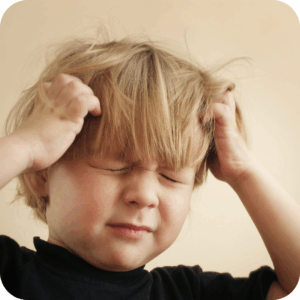
Head lice are tiny parasitic insects that live in human hair and feed on small amounts of blood from the scalp. They are most common in children but can affect anyone. Head lice spread easily through close head-to-head contact and cannot jump or fly — they crawl from one person to another.
Symptoms include persistent itching, small red bites, and the presence of nits (lice eggs) attached to hair shafts. While lice are not dangerous and do not spread disease, they can cause discomfort and distress, particularly in children and families.
Indigestion / Reflux
Free NHSWhat is Indigestion?
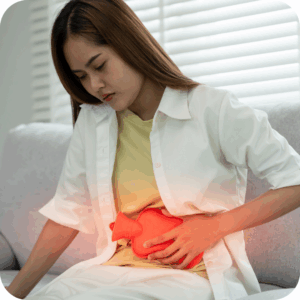
Indigestion (dyspepsia) and acid reflux are common digestive problems that can affect people of all ages. Indigestion causes symptoms such as bloating, nausea, stomach discomfort, or feeling full quickly, while reflux happens when stomach acid flows back into the oesophagus, leading to heartburn or a sour taste in the mouth.
They are often triggered by eating large meals, certain foods or drinks, stress, smoking, or lying down too soon after eating. While occasional indigestion or reflux is usually harmless, frequent or severe symptoms can interfere with daily life and may indicate an underlying condition such as gastro-oesophageal reflux disease (GORD).
Intertrigo / Ringworm
Free NHSWhat is Intertrigo / Ringworm?
Intertrigo is a rash that develops in skin folds, such as under the breasts, in the groin, or between the thighs, caused by friction, moisture, and sometimes infection. It often leads to red, sore, and irritated skin, which may crack or become painful.
Ringworm, despite the name, is not caused by a worm but by a fungal infection. It appears as a red, circular rash with a clearer centre and can develop anywhere on the body, including the scalp, arms, or legs. Ringworm is highly contagious and spreads through direct contact or contaminated items such as towels and bedding.

Ingrown Toenail
Free NHSWhat is an Ingrown Toenail?
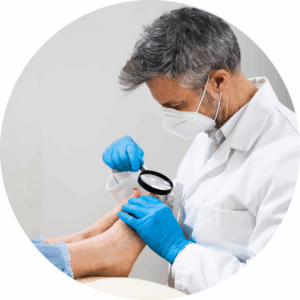
An ingrown toenail happens when the edge of a toenail grows into the surrounding skin, usually affecting the big toe. It can cause pain, swelling, redness, and sometimes infection, with pus or bleeding around the nail.
This condition may be caused by incorrect nail cutting, tight-fitting shoes, injury, or naturally curved nails. While often mild, untreated ingrown toenails can become increasingly painful and infected, interfering with walking and daily activities.
Mouth Ulcers
Free NHSWhat are Mouth Ulcers?
Mouth ulcers are small, painful sores that appear inside the mouth, often on the tongue, cheeks, gums, or lips. They usually look like round or oval patches that are white, yellow, or grey, surrounded by inflamed red skin. Most are minor ulcers that heal within 1 to 2 weeks, but they can make eating, drinking, and speaking uncomfortable.
Mouth ulcers can be triggered by stress, minor injuries (like biting the cheek), braces, certain foods, or viral infections. In some cases, they may recur frequently, which can be linked to conditions such as anaemia, vitamin deficiencies, or inflammatory conditions. While harmless in most cases, persistent or unusually large ulcers may need further investigation.

Nappy Rash
Free NHSWhat is Nappy Rash?
Nappy rash is a very common skin condition that affects babies and toddlers who wear nappies. It happens when the delicate skin in the nappy area becomes irritated by prolonged contact with moisture, urine, or stool. The rash typically appears as red, sore patches that may feel warm to the touch, and in more severe cases, the skin may become raised, blistered, or broken.
Several factors can contribute, including infrequent nappy changes, sensitive skin, certain baby wipes, soaps, or detergents, or even a recent course of antibiotics (which can alter natural skin bacteria and lead to thrush-related rashes). While most cases are mild, untreated nappy rash can make babies irritable, disrupt sleep, and occasionally lead to secondary infections caused by bacteria or fungi.

Oral Thrush
Free NHSWhat is Oral Thrush?
Our pharmacists can provide support through the Common Ailments Service, recommending suitable lubricating or preservative-free artificial tears to relieve dryness and irritation. We’ll also give lifestyle advice, such as taking regular screen breaks, using humidifiers, and protecting eyes from wind and smoke.
Treatments may be available free of charge under the service, helping you find relief quickly. If your symptoms are severe, persistent, or affecting your vision, we’ll guide you on when to seek further medical advice from an optician or GP.
Scabies
Free NHSWhat is Scabies?
Scabies is a skin infestation caused by tiny mites that burrow into the skin, leading to intense itching, a rash, and small red spots or burrows. The itching is often worse at night, and scratching can cause secondary infections.
Scabies spreads easily through close skin-to-skin contact, making it common within households, schools, and care homes. While it is not dangerous, scabies can be very uncomfortable and distressing, and requires prompt treatment to prevent further spread.
Sore Throat
What is a Sore Throat?
Our pharmacists can assess your symptoms and provide effective medicated creams or lotions through the Common Ailments Service. These treatments are applied to the entire body to kill the mites and prevent reinfestation.
We’ll also advise on treating all household members at the same time, washing bedding and clothing on hot cycles, and vacuuming furniture to stop re-infestation. Treatments may be available free of charge, helping you access quick and confidential care without delay.

Teething
What is Teething?
Teething occurs when a baby’s first teeth break through the gums, usually starting around 6 months of age. It can cause sore gums, irritability, drooling, biting, and disrupted sleep. Some babies may also develop flushed cheeks or mild fever during teething episodes.
While teething is a natural part of development, the discomfort can affect both babies and parents, making this a challenging time for families.

Vaginal Thrush
PrivateWhat is Vaginal Thrush?
Vaginal thrush is a common yeast infection caused by an overgrowth of Candida albicans, a fungus that naturally lives in the body. It often causes itching, irritation, redness, swelling, and a thick white discharge resembling cottage cheese. Thrush is not usually serious but can be uncomfortable and disruptive to daily life.
It is more likely to develop during pregnancy, after antibiotics, when taking hormonal contraceptives, or in people with diabetes or weakened immune systems. Although not classed as a sexually transmitted infection (STI), thrush can sometimes be passed on to partners or triggered after sexual activity.
Warts & Verruca
Free NHSWhat are Warts & Verruca?
Warts are small, rough lumps caused by the human papillomavirus (HPV), which can appear on the hands, fingers, knees, or elbows. Verrucae are warts that form on the soles of the feet and may be painful when standing or walking. They often appear as flat, rough patches with small black dots in the centre.
While harmless, warts and verrucae can spread through skin contact or contaminated surfaces, especially in communal areas like swimming pools or showers. They may also persist for months or years without treatment.